
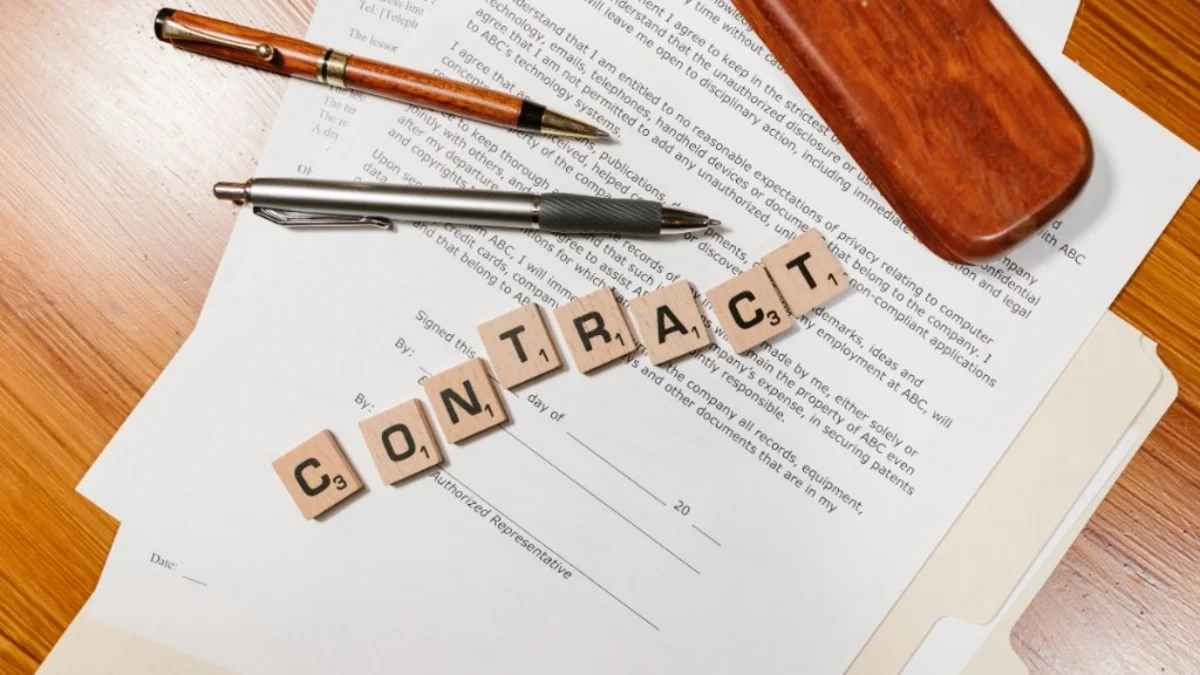
Templates accelerate alignment. They do not replace customization.

 8 min read
When to use which template style
| Situation | Template focus |
|---|---|
| One-off project | Deliverables, milestones, payment schedule |
| Monthly retainer | Hours cap, tasks included, overage rate |
| Short trial | Duration, evaluation criteria, conversion terms |
| Subcontract VA work | Who owns client relationship, NDAs, pay timing |
Use the Agreement Builder to generate a base doc, then edit for the client.
Minimum clauses for Filipino VAs
You do not need legalese. You need clarity:
- Scope and exclusions
- Rate, currency, and invoice rhythm
- Revision or change process
- Payment terms and late rules
- Confidentiality basics
- How either side ends the work
Ask a qualified professional for complex IP or liability questions. This article is general workflow guidance, not legal advice.
How to send a template without scaring clients
Attached is a simple service agreement based on what we discussed. It covers scope, pay, and how we handle changes. Happy to adjust anything that does not match your process. Once we align, we can both sign or confirm by email.
Warm tone plus plain language beats a 20-page PDF.
Common mistakes
- Using the same scope paragraph for every niche.
- Templates with blank fields you forget to fill.
- No signature or email confirmation so terms are fuzzy.
- Hiding rush or overtime rules until a crisis.
Final thoughts
Templates make you look prepared. Customization makes you look attentive. Together they help Filipino freelancers compete globally on trust.
How Salag helps
- Freelance Readiness Checker. See if your template covers the basics before you send.
- Late Fee Calculator. Drop fair late terms into your template.
- Scam Pattern Detector. Avoid clients who refuse any written terms.
Move safer. Not faster.
In short
A freelance agreement template saves time on repeat terms: scope, pay, revisions, and confidentiality. Customize it per client. Templates start the conversation. They do not replace a real scope discussion.
Common questions
A freelance agreement template saves time on repeat terms: scope, pay, revisions, and confidentiality. Customize it per client. Templates start the conversation. They do not replace a real scope discussion.
Write down what you agreed on and what changed. Do not start new work on vague terms.
Use plain English, confirm in writing, and set clear hours. Clients hire you for reliability, not cheap labor.
Put the basics in your agreement or a recap email before billable work starts. Bigger projects need fuller terms.
Stay warm but firm. Offer options inside a clear process, like a change order or a short written recap.
ALIGN means: capture facts, compare to your agreement, name tradeoffs, confirm in writing, and save the decision for next time.
Escalate when the same problem repeats: unpaid extras, late approvals plus new asks, or refusal to confirm in writing.
Yes. A clear email with tasks, dates, price, and limits beats a verbal yes every time.
Salag gives you tools and templates so you can set boundaries before small problems grow.
Use written recaps, scope trackers, and Salag tools like agreement builders and scope detectors.
Most recaps take five minutes after a call. That small step saves hours of arguing later.
Yes. Retainers need weekly change logs. Projects need milestone gates. Always compare new asks to written terms.
Pause billable work on unclear items. Send a narrow summary of what you will do. Save their reply either way.