
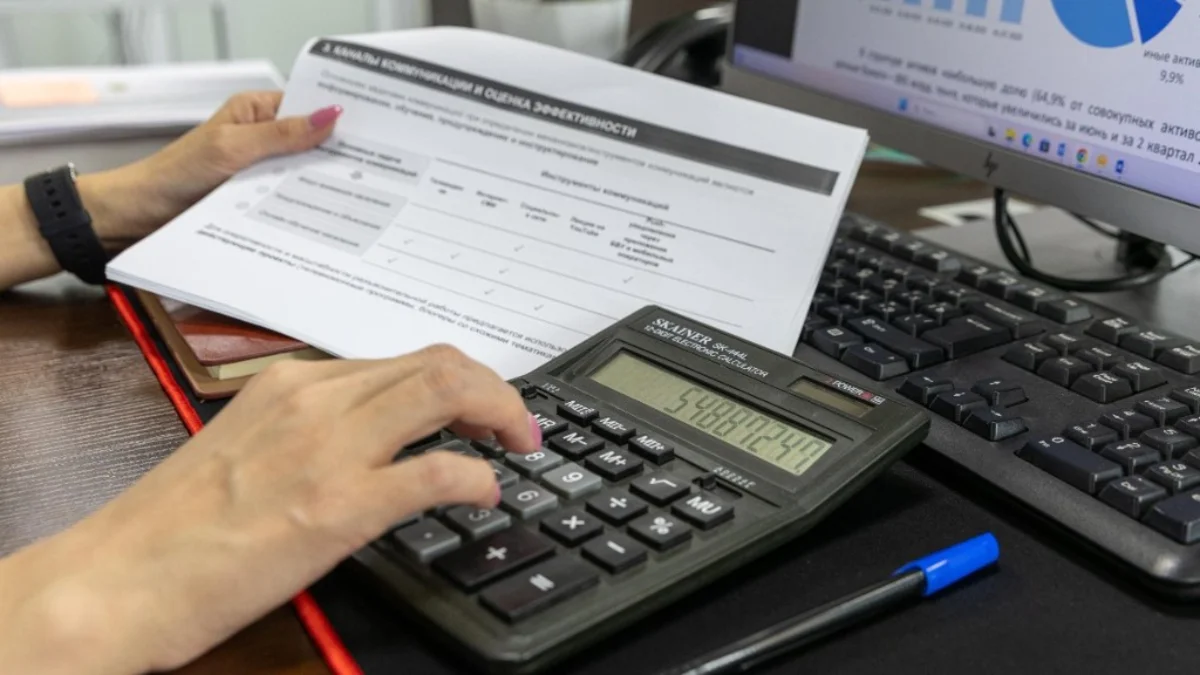
Clean records protect you at filing time and during client disputes.

 8 min read
Why records matter
Clean records help you in three situations:
- Filing season: You need totals and supporting documents, not memory.
- Client disputes: Proof of what was invoiced and paid.
- Bank or loan applications: Lenders want to see consistent income history.
If you are a Filipino VA paid via Wise, PayPal, or bank transfer, your platform statements are part of your paper trail. Save them monthly.
What to keep (general record-keeping)
| Document | What to note |
|---|---|
| Invoices you send | Number, date, client, amount, currency, description |
| Payment confirmations | Date received, platform, gross and net amount |
| Client contracts or SOWs | Scope, rate, payment terms |
| Official receipts you issue | Match to invoices if you are registered |
| Expense receipts | Tools, internet, equipment used for work |
Store copies in a cloud folder by year and month. A simple spreadsheet works: date, client, invoice number, amount received, platform, notes.
Step-by-step habit
- Number every invoice before you send it.
- Match each deposit to an invoice within a week of payment.
- Download platform statements monthly (Wise, PayPal, bank).
- Keep client emails that confirm scope and payment terms.
- Review quarterly so year-end is not a panic search.
- Consult a professional when you register, change status, or file. Rules change and depend on your situation.
Common mistakes
- No invoice numbers. "Invoice for John" is hard to trace six months later.
- Mixing personal and business money in one account with no log.
- Waiting until March to organize a whole year of payments.
- Trusting blog posts for tax law. Get advice from BIR or an accountant.
When a client asks for tax forms
Some global clients send W-9 or similar forms. If you are unsure what applies to you as a Filipino freelancer, ask your accountant. Do not guess on legal or tax forms.
Final thoughts
Good documentation is boring until you need it. Five minutes per payment saves days of stress later. For anything beyond record-keeping, talk to BIR or a licensed tax professional.
How Salag helps
- Payment Method Risk Check. Understand how Wise, PayPal, and bank transfers show up in your records.
- Project Scope Calculator. Quote clearly so invoices match the work you document.
- Late Fee Calculator. Track overdue amounts you need to record when payment finally arrives.
Move safer. Not faster.
In short
Freelance tax documentation starts with saving every invoice, payment record, and client agreement in one place. Track what you earned, when you received it, and from whom. This guide covers record-keeping habits only. For BIR registration, filing deadlines, or tax rates, consult BIR or a licensed accountant.
Common questions
Freelance tax documentation starts with saving every invoice, payment record, and client agreement in one place. Track what you earned, when you received it, and from whom. This guide covers record-keeping habits only. For BIR registration, filing deadlines, or tax rates, consult BIR or a licensed accountant.
Keep invoices, payment confirmations, contracts, and expense receipts. Organize by month and year in a cloud folder or spreadsheet.
Yes. Download monthly statements and match them to your invoices. They show when money actually arrived.
From your first paid client. Do not wait until registration or filing season to build the habit.
They help show who paid you and for what. Pair them with invoices and payment records for a full trail.
If you are BIR-registered, follow your accountant's guidance on receipts. This post does not replace professional tax advice.
Log the invoice currency, amount received, and exchange rate on payment date if you convert to pesos.
Save receipts for tools, software, internet, and equipment used for client work. Ask an accountant what applies to your setup.
Weekly is ideal. At minimum, reconcile at the end of each month while details are fresh.
Note each partial payment with date and invoice number. Your records should match what hit your account.
No. Salag helps with client work documentation. For BIR registration and filing, consult BIR or a licensed accountant.
Many freelancers keep records for several years. Confirm retention rules with a tax professional for your situation.
Start today: list clients from the last 12 months, gather platform statements, and rebuild one month at a time.